 every
everyKids Table and Chairs: Get the Age and Size Right the First Time (AU Guide)
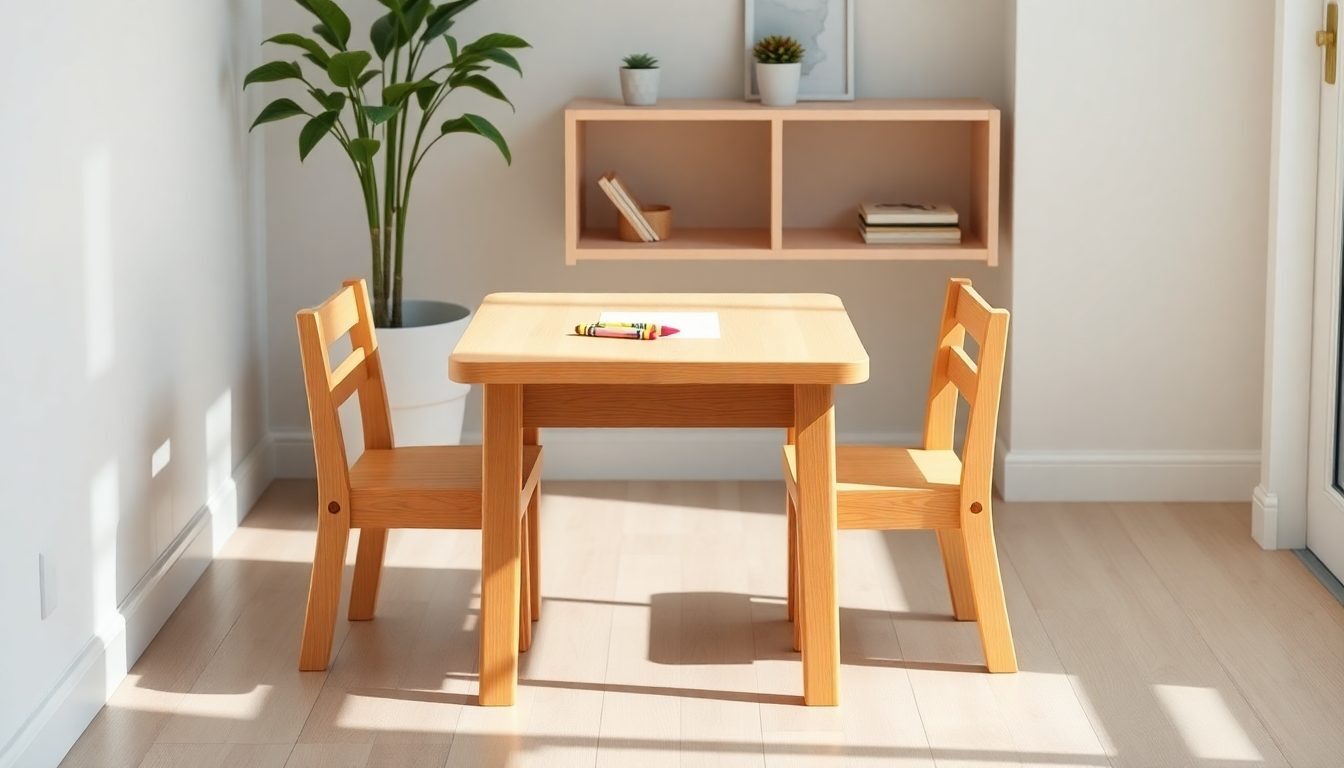
The single most important measurement in a kids table and chairs set is the gap between the seat and the tabletop, and for most young children it should sit at around twenty centimetres. Get that one number right and your child sits with feet flat, forearms resting level and a straight back. Get it wrong and no amount of good looks or clever storage will save the set: they hunch, they slide off the chair, or they lose interest within a week.
Buying a table and chairs for a toddler or preschooler is not really about the picture on the product page. It is about fit: fit to your child's body today, fit to how the set will actually be used, and fit to the room it has to live in. This guide walks you through it as a set of numbered steps, so you can measure once, buy once, and skip the returns. Everything referenced here is stocked across our kids table and chairs range.
See the full range as you work through the steps, so you can match each measurement to a real set.
Step 1: Measure your child before you measure the table
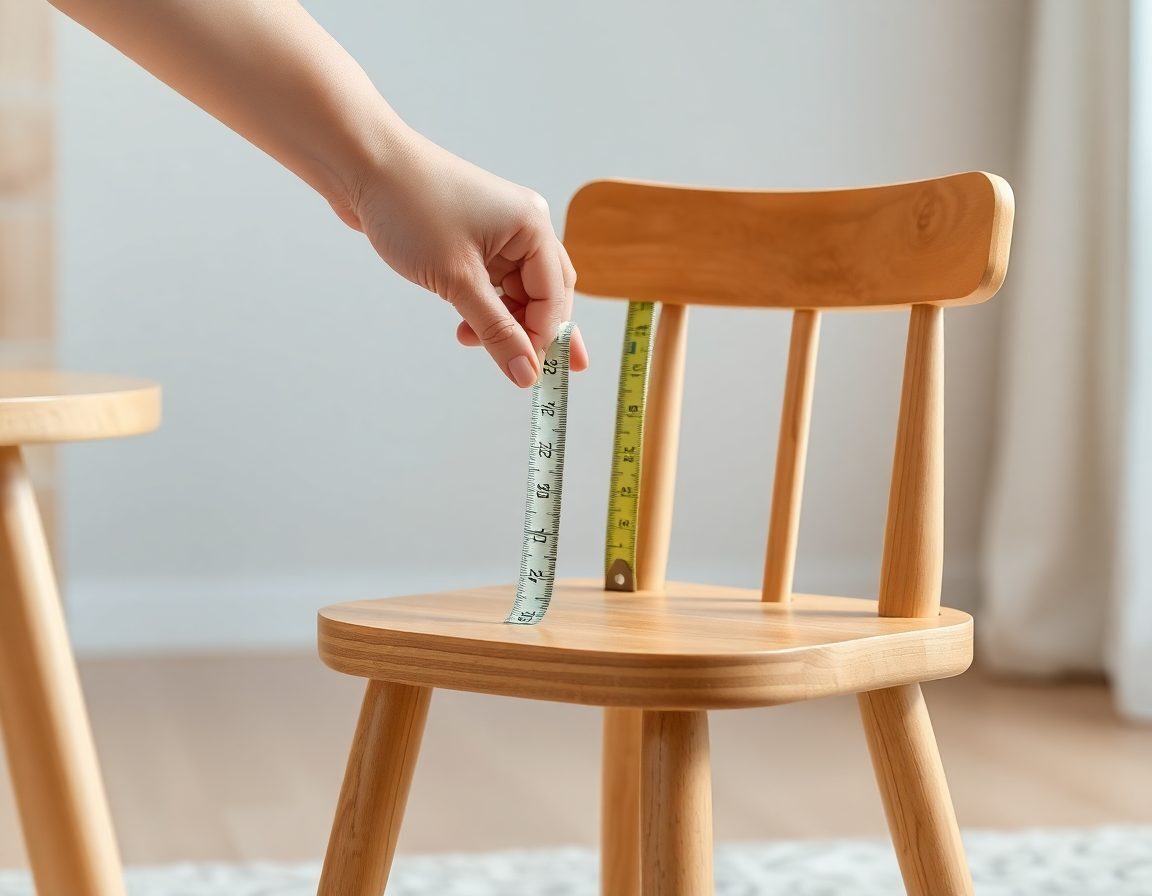
Before you look at a single product, get two numbers from your child. Sit them on a dining chair or stool with their feet flat on the floor and their knees bent at a right angle.
Take two numbers and write them both down. First, the seated elbow height: measure from the floor to the bottom of their bent elbow while they sit upright, which tells you the ideal tabletop height. Second, the lower-leg length: measure from the back of the knee to the floor while they are seated, which tells you the ideal seat height.
Children grow in bursts and vary widely at the same age, so a real measurement beats an age label every time. If you cannot measure the child directly, for a gift or a surprise, use their age as a fallback and lean slightly larger, since a set that is a touch big is more forgiving than one they outgrow in months.
Step 2: Match the table height to your child's age and size
With your elbow-height number in hand, aim for a tabletop that sits at or just below it, so your child's forearms rest level when they are drawing or eating. As a rough age-based guide when you cannot measure, tables in this category usually fall into these bands:
- One to two years: tabletop around forty to forty-three centimetres.
- Two to three years: tabletop around forty-four to forty-eight centimetres.
- Three to five years: tabletop around forty-eight to fifty-three centimetres.
- Five to eight years: tabletop around fifty-three to fifty-nine centimetres.
These are starting points, not rules. Your action here is simple: shortlist only the sets whose stated table height lands in your child's band, then narrow down on the details in the later steps. A well-proportioned option like the birch plywood table and chairs set is sized for the toddler-to-preschool window most families are shopping for.
Step 3: Get the chair seat height right, then check the twenty-centimetre gap
The chair matters as much as the table, and it is where most sets go wrong. Using your lower-leg measurement, choose a seat height that lets your child plant both feet flat on the floor with knees bent at roughly ninety degrees. Dangling feet are not a small comfort issue: they push a child to perch forward, fidget and slide off.
Now do the one check that ties the set together. Subtract the seat height from the table height. For young children that gap should land near twenty centimetres, which leaves room for their legs underneath and keeps their elbows at a comfortable working level. If the gap is much smaller their knees jam under the top; much larger and they end up reaching upward. A matched set such as the 2-piece study and play set is designed with that gap already correct, which is the quiet advantage of buying the table and chairs together rather than pairing mismatched pieces.
Step 4: Choose a material that suits how the set will be used
Material decides how the set handles daily life, how easy it is to clean, and how long it lasts. Match it honestly to your household rather than to the prettiest photo.
Your main options, and where each shines:
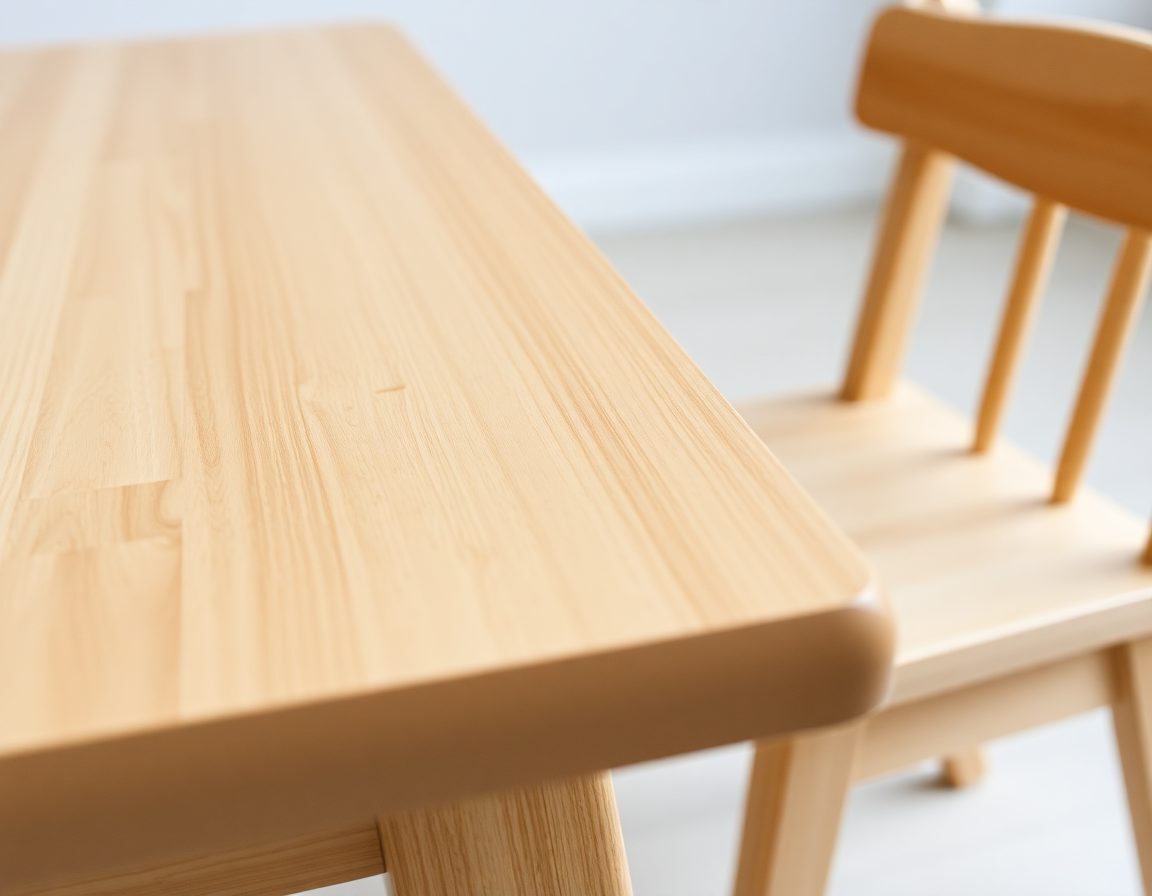
- Solid timber and birch plywood: the most durable and stable choice, warm to look at and able to take years of use. Best for a set that will pass between siblings.
- Coated MDF or engineered wood: a smooth, often colourful painted finish at a lower price. Wipes clean easily but dislikes standing water, so keep it out of the wet zones.
- HDPE and moulded plastic: lightweight, weatherproof and effortless to hose down, which makes it ideal for messy art, playdough and outdoor use.
For craft-heavy households a wipe-clean or plastic top saves your sanity, while a pinewood table and chair set suits families who want a warmer, longer-lasting piece. If the set will move between the deck and the playroom, an easy-clean HDPE table and chairs set is the practical pick.
Step 5: Run the stability and safety checks
A child's chair gets climbed on, leaned back in and used as a step stool, so stability is not optional. Before you buy, and again when it arrives, run through a short safety check.
Confirm the set has:
- Rounded corners and smooth edges, with no sharp points at a child's eye or head height.
- A stable, non-tipping base: chairs with a slightly wider foot splay resist tipping when a child leans back.
- A non-toxic, child-safe finish, since young children chew and mouth everything.
- A clear weight rating, and no wobble or flex when you press down firmly on the tabletop and seats.
Furniture tip-overs are a recognised home-safety risk for young children, and Australia's product safety regulator publishes plain guidance on choosing stable children's furniture and anchoring heavier pieces. It is worth a two-minute read on the Product Safety Australia site before you buy. For a low table and light chairs the tipping risk is modest, but the same principles, stable base and no sharp edges, still apply.
Step 6: Fit the set to the main activity
Think about what your child will actually do at this table most days, because the primary activity changes what matters. For drawing, painting and playdough, prioritise a wipe-clean or replaceable surface and easy-to-wash chairs. For meals and snacks, look for a sealed, spill-friendly top and a chair your child can climb into unaided. For puzzles, reading and early writing, prioritise a steady, level surface and a supportive chair for longer sitting. And for mixed use in a small space, built-in storage that keeps the one surface clear between activities matters most.
If storage is your priority, a set with a drawer or bench like the table and chairs set with storage drawer or the table and chair set with cabinet storage keeps crayons and craft off the floor. For drawing-focused kids, a 3-piece set with a chalkboard top turns the table itself into the activity.
Step 7: Measure the room, not just the child
A set that fits your child perfectly is still the wrong buy if it does not fit the room. Before you order, measure the actual space it will live in and account for the room a child needs to get in and out.
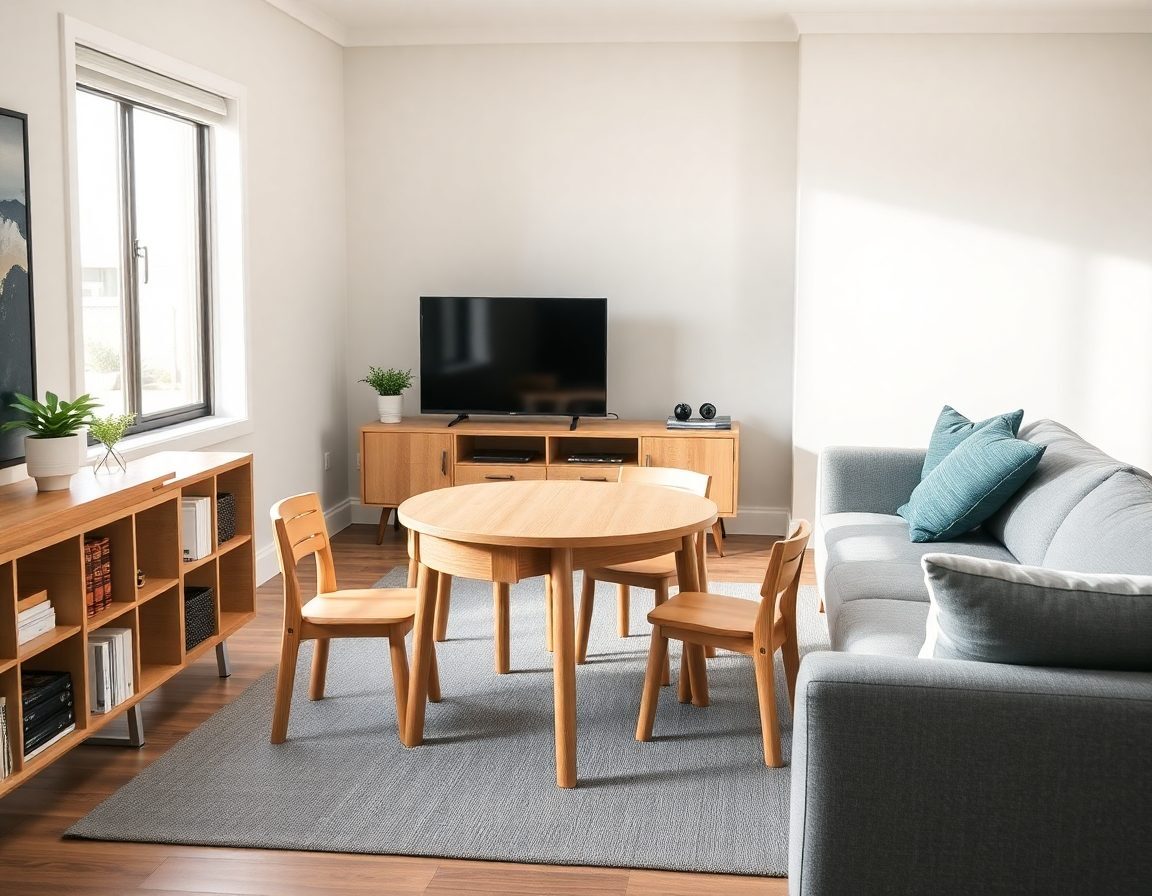
Take three measurements of the space: the footprint of the set itself, the clearance behind each chair, allow roughly forty centimetres for pulling a chair out and climbing in, and the walking path around it. In a compact apartment or a shared living area, look for a set that folds, stacks or nests so it can tuck away when the floor is needed for something else. Chairs that slide fully under the table save the most space day to day.
Step 8: Build in room to grow
The last step protects your money. A set sized exactly to your child today may be too small within a year, so decide up front how much growing room you want to build in.
You have two sensible routes. The first is an adjustable-height set, where the legs or seat rise as your child does, stretching a single purchase across several years. The second is to buy at the larger end of your child's current band and add a firm cushion now, removing it as they grow into the seat. Either way, watch for the signals that a set has been outgrown: knees jammed under the tabletop, a hunched back, or your child avoiding the chair altogether.
When that day comes, a well-made set still has life left in it for a younger sibling or a second-hand sale, which is another reason the sturdier kids furniture materials from Step 4 earn their slightly higher price. Every Keezi set ships from Australian warehouse stock with a twelve-month warranty and ten-day returns, so if the fit is not right once it is in the room, you are not stuck with it.
Ready to choose? Compare the full kids table and chairs range and match a set to your measurements.
Frequently asked questions
What size table and chairs do I need for a toddler?
For a one to three year old, look for a tabletop around forty to forty-eight centimetres high with a seat that lets their feet sit flat on the floor. The gap between the seat and the tabletop should be close to twenty centimetres so their elbows rest at a comfortable level.
What age is a kids table and chairs set for?
Most sets suit children from around eighteen months to seven or eight years, depending on the size. Toddlers need a lower table and seat, while school-aged children need more height. Buying an adjustable set or sizing up slightly extends the useful life across that whole range.
How high should a kids table be?
Match the tabletop to your child's seated elbow height so their forearms rest level. As a guide, that is roughly forty to forty-three centimetres for toddlers, rising to about fifty-three to fifty-nine centimetres for older primary-school children. Always pair it with a correctly sized chair.
Is wood or plastic better for a kids table and chairs set?
Solid timber and birch plywood are the most durable and stable and pass well between siblings, while HDPE plastic is lightweight, weatherproof and easiest to wipe down for messy craft and outdoor use. Choose based on how and where the set will be used most.
Related articles
Pikler Triangle Age: What Age Are They For, and When Do Kids Outgrow One?
A friendly pikler triangle age guide: what age they suit, when kids outgrow them, and how to choose the right size frame.
Hollywood Mirror Bulbs: What Lights Do You Need for Makeup? (AU Guide)
A guide to Hollywood mirror bulbs: bulb types, lumens, warm vs cool light and why built in LED beats replaceable globes for makeup.
How Much Space Do Chickens Need? Coop and Run Sizes by Flock (AU Guide)
How much space do chickens need per bird? Coop and run sizes by flock, plus bantam vs standard breeds and fox proofing tips.